Find Eczema-Friendly ProductsFind a Doctor
Logo
search
menu
About Eczema
Research
News & Stories
Get Involved
About Us
Donate
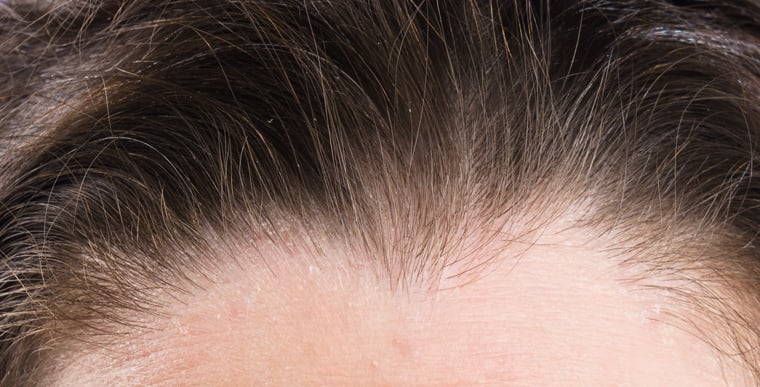
Patches of scalp eczema on top of forehead

Scalp Eczema

Scalp eczema is an inflammatory condition stemming from various causes, including seborrheic dermatitis (dandruff), contact dermatitis and atopic dermatitis.

On this page

  • Overview
  • Symptoms
  • Scalp Eczema Images
  • Causes and Triggers
  • Diagnosis
  • Treatment
  • Management
  • Prognosis
  • Frequently Asked Questions

Back to top

up arrow

Overview

Scalp eczema affects the scalp and hairline. Like other forms of eczema, it causes dryness, itching and inflammation. It can be difficult to diagnose because other scalp conditions like psoriasis or fungal infections can cause similar symptoms.

Seborrheic dermatitis (aka dandruff) is the most common form of scalp eczema: about 3–10 of 100 people are affected. It is more common in men than in women, and people usually develop the scaly rash for the first time either in their early adulthood or later in life, typically over the age of 50. This condition can also occur in young children, known as cradle cap.

Scalp eczema typically falls into three main types — atopic dermatitis, contact dermatitis and seborrheic dermatitis — each with its own causes and approaches to treatment.

  • Contact Dermatitis: This includes both irritant and allergic forms. Irritant contact dermatitis occurs when substances like detergents, shampoos, soaps, dyes, bleach or hair products damage skin cells, while allergic contact dermatitis occurs when allergens such as hair dye, preservatives or fragrances trigger flaking, swelling and itching.
  • Atopic Dermatitis: This is the most common type of eczema, resulting from an overactive immune response that causes inflammation, weakens the skin barrier and leaves the skin dry, itchy and prone to rashes. These rashes may appear purple or brown in darker skin and red or pink in lighter skin.
  • Seborrheic Dermatitis: This form of eczema appears in areas rich in sebaceous or oil-producing glands, such as the scalp, causing greasy, yellowish flakes and redness. In infants, this skin condition is known as cradle cap. It may come and go in both children and adults due to genetics, environmental factors or an inflammatory reaction to Malassezia, a naturally occurring yeast on the skin.

Symptoms

Scalp eczema symptoms can vary from mild dandruff to more inflamed, scaly patches. Symptoms may come and go, and severe flares may lead to hair shedding or crusting.

Common symptoms of scalp eczema include:

  • Flaky, scaly skin that may appear white or yellow
  • Greasy patches on the scalp
  • Red, brown or purple rashes, depending on skin tone
  • Itching or burning sensations
  • Crusting or oozing in inflamed areas
  • Hair thinning or temporary hair loss due to inflammation or scratching

Scalp Eczema Images

View full scalp eczema image gallery
Gallery image
Gallery image
Gallery image

Causes and Triggers

The causes of scalp eczema vary depending on the specific type, but a combination of factors contributes to flares and ongoing irritation.

Common scalp eczema triggers include:

  • Hair products containing fragrance, preservatives or harsh chemicals
  • Allergens such as hair dyes or specific ingredients in shampoos
  • Excess oil production and overgrowth of yeast (Malassezia) on the scalp
  • Genetics and personal history of atopic dermatitis or allergies
  • Hot or humid climates and excessive sweating
  • Stress, which can worsen inflammation

Avoiding known triggers and using scalp-friendly products can help prevent flare-ups.


Diagnosis

Like many other forms of eczema, scalp eczema is often diagnosed by a medical professional, like a dermatologist, through a physical exam. The location, symptoms, appearance and timing of flare-ups help determine the most likely cause and course of treatment.

Additional diagnostic tools may include:

  • Patch Testing: Identifies allergens causing allergic contact dermatitis
  • Scalp Biopsy (rare): Helps rule out conditions like psoriasis, fungal infections or other causes of scalp redness and hair loss

Early and accurate diagnosis can help guide treatment and prevent complications of scalp eczema, such as infection or hair loss. Tracking your symptoms and triggers can help you have more productive conversations with your doctor and find the best treatment option for your needs.


Treatment

The best approach to treating scalp eczema starts with identifying and avoiding the cause or trigger. Switching to gentle, non-irritating hair products can help protect the scalp.

Treatment options for scalp eczema may include:

  • Medicated Shampoos: If contact dermatitis is causing scalp eczema, then switching your hair products to more eczema-friendly options, like NEA Seal of AcceptanceTM products, can help. A doctor might also prescribe medicated shampoos to treat affected areas. Particularly with seborrheic dermatitis, anti-fungal products and dandruff shampoos might also help treat flares. Look for products with ingredients like
    • Pyrithione zinc
    • Selenium sulfide
    • Ketoconazole (1 or 2%)
    • Tar
    • Salicylic acid
  • Topical Steroids: Available in foams, oils, shampoos or solutions that are easier to apply to the scalp. These reduce inflammation and itching.
  • Non-Steroidal Topicals: Alternatives like topical calcineurin inhibitors may be used for sensitive areas or long-term care.
  • Eczema Creams and Ointments: Emollients and moisturizers help strengthen the scalp barrier between flares.
  • Intralesional Steroid Injections: In severe or resistant cases, steroids may be injected directly into inflamed scalp areas.

Following a treatment plan tailored to your scalp’s needs — and maintaining consistent skin care between flares — can significantly reduce symptoms and improve scalp health.


Management

Long-term management is key to keeping scalp eczema under control and preventing recurrences. Daily gentle care and avoiding triggers make the greatest difference.

Tips for managing scalp eczema include:

  • Choose Gentle Products: Use fragrance-free, hypoallergenic shampoos and conditioners that are safe for sensitive, eczema-prone skin. Look for products with the NEA Seal of Acceptance™.
  • Rotate Medicated Shampoos: If using dandruff shampoos or medicated formulas, consider rotating between different active ingredients to prevent buildup and maintain effectiveness.
  • Wash Hair Strategically: Avoid washing too frequently (which can strip natural oils) or too infrequently (which can allow buildup). Most people with scalp eczema do well washing every 2–3 days.
  • Apply Products Correctly: When using medicated shampoo, leave it on the scalp for 5–10 minutes before rinsing to allow active ingredients to work.
  • Moisturize the Scalp: Apply lightweight, non-greasy eczema creams or oils to the scalp between washes, especially if you have dry patches or flaking.
  • Be Gentle When Drying: Pat your scalp and hair dry rather than rubbing vigorously. Let hair air-dry when possible to avoid heat damage.
  • Avoid Allergens and Irritants: Stay away from hair dyes, chemical treatments or styling products that contain common allergens or irritants like fragrance, alcohol or preservatives.
  • Protect from Environmental Triggers: Wear a hat in cold, dry weather or use a humidifier indoors to prevent dryness.
  • Don’t Scratch: Use cool compresses or anti-itch treatments to resist the urge to scratch, which can worsen inflammation and lead to infection.
  • Care for Infant Scalp Eczema: For babies with cradle cap, gently massage the scalp with a soft brush or cloth after applying a mild oil. This helps loosen flakes without irritating the skin.
  • Manage Stress: Relaxation techniques and mindfulness can reduce flare frequency and severity.
  • Monitor for Infection: See a healthcare provider if you notice increased crusting, oozing, pain or swelling.
  • Consult Your Doctor: Always talk to your dermatologist before trying new products to better understand the causes of your eczema and prevent flare-ups.

Consistent daily care helps support long-term eczema control and prevent severe cases.


Prognosis

While there is no cure for eczema, with proper care and treatment, most people can control scalp eczema and experience long periods without symptoms. Seborrheic dermatitis may come and go throughout life, while contact dermatitis can often be managed by avoiding triggers. In severe cases, inflammation may cause temporary hair shedding, but hair usually regrows once the scalp is treated. Early diagnosis, consistent management and protecting the scalp barrier greatly improve long-term outcomes.


Frequently Asked Questions

Can scalp eczema cause hair loss?
Yes. In severe cases, inflammation or excessive scratching may cause temporary hair shedding. Hair usually regrows once the scalp is treated.

What kind of shampoo should I use?
Look for fragrance-free, hypoallergenic shampoos. For seborrheic dermatitis, choose medicated options with ingredients like ketoconazole or pyrithione zinc.

Should I avoid hair dye or styling products?
Yes, if they contain common allergens or irritants like fragrance, alcohol or preservatives.

Is scalp eczema the same as dandruff?
No. Dandruff is a mild form of seborrheic dermatitis, but not all scalp eczema is dandruff. Eczema involves a broader range of symptoms and underlying causes.

Is it contagious?
No. Scalp eczema is not contagious and cannot be spread from person to person.

References
  1. Tucker D, Masood S. Seborrheic Dermatitis. [Updated 2024 Mar 1]. In: StatPearls [Internet]. Treasure Island (FL): StatPearls Publishing; 2025 Jan-. Available from: https://www.ncbi.nlm.nih.gov/books/NBK551707/

Continue Your Eczema Learning Journey

Stethoscope icon
Find an Eczema Doctor

Find a U.S. healthcare provider near you with experience treating eczema and related conditions.

Lotion bottle with checkmark icon
Browse Eczema-Friendly Products

Explore our database of products that have undergone our Seal of Acceptance review.

Paper newsletter icon
Read Stories from Real People

Visit our blog to read stories from your community members and get helpful tips for eczema management.

Lab Beaker Icon
Learn About Eczema Research

Get the latest on eczema research and find out how you can get involved with studies.

Toggle drawer

Get the latest in eczema news, delivered.

Sign up for NEA's e-newsletter to receive evidence-based articles, expert-sourced lifestyle tips and stories from your community.

Nea footer logo
  • About NEA
  • Press Room
  • Contact Us
  • Careers
  • Seal of Acceptance Application
  • Partnership Opportunities
  • Privacy Policy
  • Terms and Conditions
facebookXyoutubesocial iconthreadslinked-in

The National Eczema Association (NEA) improves the health and quality of life for people affected by eczema, and empowers those who advocate, support and deliver care.

Our Accreditations

National Health Council standards of excellence certification programGuide Star Seal of TransparencyBetter Business Bureau accredited charityGlobal Skin internation alliance of dermatology patient organizationsaccreditation logo

NEA is a qualified 501(c)(3) EIN 93-0988840.

© National Eczema Association, All rights reserved 2026