Find Eczema-Friendly ProductsFind a Doctor
Logo
search
menu
About Eczema
Research
News & Stories
Get Involved
About Us
Donate
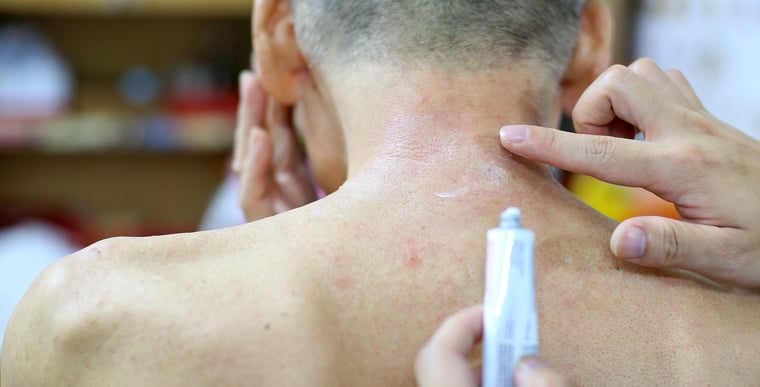
Topical steroid cream being applied to eczema on back of neck showing dangers of TSW

Topical Steroids and Risk

Everything we know about the risks associated with prolonged or improper topical steroid use for eczema.

On this page

  • Overview
  • Symptoms
  • Risk Factors
  • How Do You Know If You're Experiencing Topical Steroid Withdrawal (TSW)?
  • Management and Treatment
  • Prevention
  • Skin on Fire

Back to top

up arrow

Overview

What is Topical Steroid Withdrawal (TSW)?

Topical corticosteroids, also known as TCS or topical steroids, are commonly prescribed to manage inflammatory skin conditions such as eczema. While effective when used appropriately, prolonged or improper use can lead to adverse effects, including a condition known as Topical Steroid Withdrawal (TSW).

Topical Steroid Withdrawal (TSW), also referred to as Topical Steroid Addiction (TSA) or Red Skin Syndrome (RSS), is a potential consequence of extended topical steroids use.1 TSW is characterized by the emergence of skin symptoms upon cessation of corticosteroid application, particularly after long-term or high-potency use.2

While TSW has been reported anecdotally by patients and is recognized by some healthcare providers, the condition remains under-researched and is often mistaken for atopic dermatitis. Further research and awareness are needed to validate and refine treatment protocols.3

What are topical steroids?

Topical steroids are one of the most commonly prescribed medications for eczema. They can reduce inflammation and itching to help the skin begin to heal. Topical steroids have been used for treating mild to severe eczema since the 1950s and they are generally well tolerated and highly effective.

Learn more about topical steroids and other prescription topical medications for eczema


Symptoms

What are symptoms of TSW?

TSW manifests through various symptoms and can appear days to weeks after discontinuing topical steroids. Common signs include:​

  • Burning, stinging sensations1,2
  • Bright red skin (erythema)1,2
  • Itching and pain1
  • Skin peeling or flaking1
  • Swelling (edema)1
  • Insomnia1

Two main subtypes of TSW have been identified:

  1. Erythematoedematous TSW: Characterized by redness, swelling and burning sensations2
  2. Papulopustular TSW: Marked by bumps, pustules and intense itching2 ​

These symptoms can be debilitating and may persist for extended periods of time, significantly impacting patients’ quality of life.​

How can you tell if it’s TSW or an eczema flare?

Consult with your healthcare provider if you think you are experiencing TSW. Your doctor can assess your skin and ask about your symptoms to rule out any other health conditions that present similarly to TSW. It is easy to confuse TSW symptoms with symptoms of flaring atopic dermatitis, allergic contact dermatitis, or other skin conditions like rosacea or skin infections. Your doctor can help you rule out these other conditions. This is important because confusing the signs and symptoms of eczema for steroid withdrawal could lead to unnecessary under-treatment of eczema.


Risk Factors

What increases your risk of TSW?

Several factors may increase the likelihood of developing TSW:

  • Potency and duration: Long-term use of high-potency topical steroids is a significant risk factor.2
  • Application areas: Using topical steroids on sensitive areas like the face or genitals may elevate risk.2
  • Frequency of use: Frequent application without appropriate breaks can contribute to dependency.2

How Do You Know If You're Experiencing Topical Steroid Withdrawal (TSW)?

Dr. Peter Lio, dermatologist and clinical assistant professor at Northwestern University, explains what we know about TSW and how to know if you’re having symptoms of it.


Management and Treatment

How do you manage TSW symptoms?

Managing TSW involves a multifaceted approach:

  • Discontinuation of topical steroids: Gradual tapering under the supervision of a healthcare professional is often recommended to minimize withdrawal symptoms.
  • Supportive care: This includes moisturizing, managing pain and itch and addressing secondary infections that can result from a compromised skin barrier.
  • Alternative therapies: Non-steroidal treatments may be considered to control underlying skin conditions.
  • Medical supervision: Regular follow-up with healthcare providers is crucial to monitor progress and adjust treatment plans.

Prevention

Are there any strategies to prevent TSW?

To reduce the risk of TSW:

  • Adhere to guidelines: Use topical steroids as prescribed, avoiding prolonged or improper use.
  • Monitor treatment: Regularly assess symptoms and the need for continued topical steroid use. Explore alternative options when appropriate.

Skin on Fire

This short film, Skin on Fire, investigates why someone may develop TSW, and includes interviews with medical experts and personal stories from patients experiencing and managing TSW.


Atopic Dermatitis Treatment Guide

Download a full list of all current FDA-approved treatments for atopic dermatitis, the most common form of eczema.

Download PDF

References
  1. Brookes TS, Barlow R, Mohandas P, Bewley A. Topical steroid withdrawal: an emerging clinical problem. Clin Exp Dermatol. 2023;48(9):1007-1011. doi:10.1093/ced/llad161
  2. Hajar T, Leshem YA, Hanifin JM, et al. A systematic review of topical corticosteroid withdrawal (“steroid addiction”) in patients with atopic dermatitis and other dermatoses. J Am Acad Dermatol. 2015;72(3):541-549.e2. doi:10.1016/j.jaad.2014.11.024
  3. Nadia Shobnam, Grace Ratley, Sarini Saksena, et al. Topical Steroid Withdrawal Is a Targetable Excess of Mitochondrial NAD+. Journal of Investigative Dermatology. 2025;0022-202X. doi:10.1016/j.jid.2024.11.026.

 
Medically reviewed on May 7, 2025.

Related Stories

image

Articles

Topical Steroid Withdrawal: What the Eczema Community Needs to Know, Now
image

Articles

A Look at Current Guidelines for Topical Steroid Use for Atopic Dermatitis
image

Articles

How I Learned to Endure and Outlast Topical Steroid Withdrawal
image

Articles

Research Trend Report: Why More Eczema Patients are Turning to Social Media for Health Advice
image

Articles

Topical Steroid Withdrawal: What the Eczema Community Needs to Know, Now
image

Articles

A Look at Current Guidelines for Topical Steroid Use for Atopic Dermatitis
image

Articles

How I Learned to Endure and Outlast Topical Steroid Withdrawal
image

Articles

Research Trend Report: Why More Eczema Patients are Turning to Social Media for Health Advice
image

Articles

Topical Steroid Withdrawal: What the Eczema Community Needs to Know, Now
image

Articles

A Look at Current Guidelines for Topical Steroid Use for Atopic Dermatitis
image

Articles

How I Learned to Endure and Outlast Topical Steroid Withdrawal
image

Articles

Research Trend Report: Why More Eczema Patients are Turning to Social Media for Health Advice
Toggle drawer

Get the latest in eczema news, delivered.

Sign up for NEA's e-newsletter to receive evidence-based articles, expert-sourced lifestyle tips and stories from your community.

Nea footer logo
  • About NEA
  • Press Room
  • Contact Us
  • Careers
  • Seal of Acceptance Application
  • Partnership Opportunities
  • Privacy Policy
  • Terms and Conditions
facebookXyoutubesocial iconthreadslinked-in

The National Eczema Association (NEA) improves the health and quality of life for people affected by eczema, and empowers those who advocate, support and deliver care.

Our Accreditations

National Health Council standards of excellence certification programGuide Star Seal of TransparencyBetter Business Bureau accredited charityGlobal Skin internation alliance of dermatology patient organizationsaccreditation logo

NEA is a qualified 501(c)(3) EIN 93-0988840.

© National Eczema Association, All rights reserved 2026