Find Eczema-Friendly ProductsFind a Doctor
Logo
search
menu
About Eczema
Research
News & Stories
Get Involved
About Us
Donate
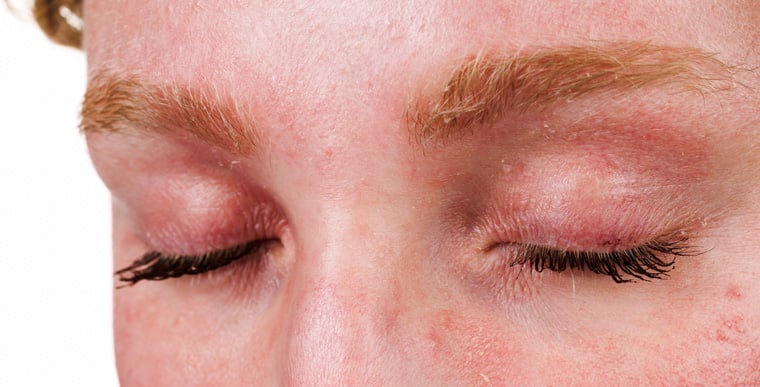
Red inflamed patches of eye eczema

Eyelid Eczema

The eyelid skin is very sensitive and thinner than other areas of the body, especially around the lash line, making it prone to developing eyelid eczema.

On this page

  • Overview
  • Symptoms
  • Eyelid Eczema Images
  • Causes and Triggers
  • Diagnosis
  • Treatment
  • Management
  • Prognosis
  • Frequently Asked Questions

Back to top

up arrow

Overview

Eyelid eczema, also called eyelid contact dermatitis or periorbital dermatitis, is part of a group of inflammatory skin conditions that cause dry skin, itchiness, rashes, scaly patches, blisters and skin infections. It can appear in various places on the body, including the face, particularly the eyelids.

Eyelid eczema is quite common, affecting 15-20% of people at some point in their lives. The condition affects women more often than men, making up 73-80% of cases, largely due to greater use of cosmetic products. Allergic contact dermatitis is the single most common cause of eyelid eczema, accounting for 31-72% of cases, followed by atopic dermatitis at 14-39.5%.

Of the seven known types of eczema, a few can specifically impact the eyelids:

  • Contact Dermatitis: Irritant contact dermatitis occurs when the skin is damaged by substances like skincare products, soaps or makeup, without involving an allergen. Allergic contact dermatitis, which is more common on the eyelids, happens when the skin reacts to allergens.
  • Atopic Dermatitis: This form of eyelid eczema is caused by environmental or genetic factors and an overactive immune response that triggers inflammation, leaving skin dry, itchy and prone to rashes. Some people with this condition have a filaggrin gene mutation, which weakens the skin barrier and increases susceptibility to flare-ups.
  • Seborrheic Dermatitis: This type affects oil-rich areas like the eyelids along the lash line, causing flaking, crusting or redness. Triggers may include cosmetics, environmental factors, genetics, stress, cold weather, hormonal changes and inflammatory reactions to Malassezia yeast on the skin.

Symptoms

Eyelid eczema symptoms vary depending on the type and skin tone. The delicate skin around the eyes makes symptoms particularly noticeable and uncomfortable.

Common symptoms of eyelid eczema include:

  • Dry, flaking or peeling skin on or around the eyelids
  • Patchy or flaky scales on top of greasy skin. These scales can be white or yellow
  • Rashes that can appear brown, purple or dark in darker skin tones or red or pink in lighter skin tones
  • Itching, burning or stinging sensations on and around the eyelids
  • Swollen, puffy eyelids that may interfere with vision
  • Redness or discoloration around the eyes
  • Thickened, rough or wrinkled skin with prolonged inflammation
  • Crusting along the lash line

Eyelid Eczema Images

View full eyelid eczema image gallery
Gallery image
Gallery image
Gallery image

Causes and Triggers

Many factors can trigger eyelid eczema, often depending on the type of eczema causing the flare. The thin skin around the eyes has many blood vessels but little protective fat, making eyelids particularly vulnerable to drying out, irritation and allergic reactions. Exposure to irritants or allergens, including cosmetics and skincare products, can trigger eyelid eczema.

People with atopic or seborrheic dermatitis may experience an overactive immune response that damages the skin barrier, resulting in dry, flaky skin.

Common triggers of eyelid eczema include:

  • Allergens such as chemicals in cosmetics, eye makeup, skincare products and fragrances
  • Irritants like soaps, cleansers, makeup removers and facial cleansers
  • Hair-related products including hair dye (particularly those containing p-phenylenediamine), shampoos and conditioners that can transfer to eyelids through hair contact or during washing
  • Essential oils and fragrances in perfumes, cosmetics or diffusers
  • Preservatives in eye drops, contact lens solutions or skincare products
  • False eyelashes and eyelash adhesives
  • Metals like nickel in jewelry, eyelash curlers, tweezers or eyeglass frames
  • Latex in goggles or protective eyewear
  • Nail polish or nail products that transfer to eyelids when touching the face
  • Airborne allergens including dust mites, pollen, pet dander and mold spores
  • Genetics and personal history of atopic dermatitis or allergies
  • Overactive immune response
  • Environmental factors such as cold weather, dry air, wind or extreme temperatures
  • Stress, which can worsen inflammation by increasing cortisol levels

Avoiding known triggers and using gentle, non-irritating products can help prevent flare-ups. Keep in mind that eyelid eczema can sometimes result from substances you don’t apply directly to your eyelids but transfer from your hands, hair or airborne sources.


Diagnosis

Like many other forms of eczema, eyelid eczema is often diagnosed by a dermatologist using a physical examination and patient history. The appearance, location and symptoms of the flare can help doctors with their diagnosis, identify the cause and inform what treatments are best.

The distribution of redness may provide clues to the offending agent. For example, nickel allergy from eyeglasses may affect the cheeks and eyebrows while sparing the eyelids, while a reaction to mascara may be localized only to the eyelids.

Additional diagnostic tools may include:

  • Patch Testing: Identifies allergens causing eczema, including testing for common culprits like fragrances, preservatives, hair dye components and cosmetic ingredients
  • Skin Biopsy: Confirms diagnosis if the cause is unclear

Early and accurate diagnosis helps prevent worsening flare-ups and supports more targeted treatment. Tracking your symptoms and triggers can help you have more productive conversations with your doctor and find the best treatment option for your needs.


Treatment

Because eyelid skin is thin and sensitive, treatments must be selective. High-potency steroids should be avoided around the eyes due to the risk of skin thinning, cataracts or glaucoma. The first step is avoiding known triggers such as irritating cosmetics, cleansers or skincare products.

Common eyelid eczema treatments include:

  • Avoid Triggers: Identify and stop using products that irritate the eyelids immediately, including cosmetics, cleansers or skincare products. Patch testing can help determine allergens that may be causing flares. Consult your doctor for hypoallergenic alternatives and explore our eczema-friendly Seal of Acceptance products.
  • Non-Steroidal Topicals: Gentle alternatives like calcineurin inhibitors, PDE4 inhibitors or JAK inhibitors can reduce inflammation without the risks associated with strong steroids. These are particularly suitable for the thin and sensitive skin of the eyelids.
  • Topical Corticosteroids (Low-Potency Only): In some cases, a dermatologist may prescribe low-potency corticosteroid creams to reduce redness and itching. High-potency corticosteroids should be avoided around the eyes due to the risk of skin thinning, cataracts or glaucoma.
  • Moisturizers and Emollients: Gentle, fragrance-free moisturizers help restore the skin barrier and maintain hydration, which can prevent future eyelid eczema flares. Look for products with ceramides or hyaluronic acid.
  • Cold Compresses and Wet Wrap Therapy: Applying a cool, damp cloth can soothe irritation and reduce swelling during flare-ups.

Following a dermatologist-approved plan — and maintaining consistent skin care between flares — can significantly reduce symptoms and improve quality of life.


Management

Long-term management is key to keeping eyelid eczema under control and preventing recurrences. Daily gentle care and avoiding triggers make the greatest difference. Because the skin around the eyes is so delicate, careful attention to products and habits is essential.

Tips for managing eyelid eczema include:

  • Choose Gentle Products: Use doctor-approved, fragrance-free and hypoallergenic skincare products and cosmetics. Look for products with the NEA Seal of Acceptance. Avoid products containing essential oils, which can be potent allergens and irritants for sensitive eyelid skin.
  • Remove Makeup Carefully: Use gentle, oil-based makeup removers or cleansing creams formulated for sensitive skin rather than harsh cleansers or makeup wipes. Pat the eyelid area dry — don’t rub.
  • Moisturize Daily: Apply a gentle, fragrance-free moisturizer or emollient to the eyelids at least twice daily, especially after cleansing. Take care not to get moisturizer directly in the eyes.
  • Apply Cold Compresses: Use a cool, damp cloth for 10–15 minutes to soothe irritation, reduce swelling and relieve itching during flares.
  • Avoid Touching or Rubbing: Keep hands away from the eye area to prevent introducing irritants or bacteria. Wash hands thoroughly before touching your face. If itching is severe, apply a cold compress instead of scratching.
  • Be Cautious with Hair Products: When using shampoos, conditioners or styling products, rinse thoroughly and keep hair away from your face. Avoid hair dye containing p-phenylenediamine if you’re prone to eyelid reactions. Consider wearing a headband during washing to prevent product transfer to eyelids.
  • Watch for Hidden Allergens: Be aware that eyelid eczema can result from substances you touch elsewhere on your body and then transfer to your eyelids, such as nail polish or nail polish remover.
  • Patch Test New Products: Before using a new cosmetic or skincare product near your eyes, test it on a small area of skin (like your inner arm) for 24–48 hours.
  • Keep Products Simple: Minimize the number of products used around the eyes. The fewer ingredients, the lower the risk of irritation.
  • Replace Old Makeup: Discard eye makeup after 3–6 months to prevent bacterial growth. Never share eye makeup with others.
  • Protect from Environmental Triggers: Wear wraparound sunglasses or protective goggles outdoors to shield sensitive eyelid skin from wind, cold, dust, pollen and UV exposure. If you work with chemicals, allergens or irritants, wear protective eyewear to prevent exposure.
  • Manage Dust and Allergens: If dust mites trigger your eyelid eczema, take steps to reduce exposure by washing bedding weekly in hot water, using allergen-proof pillow covers and dusting with a damp cloth. Consider using an air purifier in your bedroom.
  • Manage Stress: Relaxation techniques and mindfulness can reduce flare frequency and severity. Stress increases cortisol levels, which can worsen inflammation.
  • Monitor for Infection: See a healthcare provider immediately if you notice increased crusting, oozing, pain, golden-tinged discharge or vision changes.
  • Avoid Essential Oils: Do not use essential oils on or around the eyelids. While often marketed for skin benefits, essential oils are common allergens and can trigger or worsen eyelid eczema. This includes avoiding aromatherapy diffusers, as airborne particles can also cause eyelid reactions.
  • Select Eyewear Carefully: If you wear glasses and experience reactions, consider frames made from hypoallergenic materials like cellulose acetate rather than metal frames that may contain nickel.
  • Consult Your Dermatologist: Always talk to your doctor before trying new treatments or products, especially around the delicate eye area.

Consistent daily care helps support long-term eczema control and prevent severe cases.


Prognosis

While there is no cure for eczema, with proper care and treatment, most people can control eyelid eczema and experience long periods without symptoms. Allergic reactions to specific triggers can often be managed effectively by identifying and avoiding allergens through patch testing. Atopic dermatitis may require ongoing management, but symptoms typically improve with consistent use of gentle products and appropriate treatments.

It’s important to follow your dermatologist’s recommendations and avoid high-potency treatments to prevent complications such as skin thinning or vision problems. Early diagnosis, consistent management and protecting the skin barrier greatly improve long-term outcomes.


Frequently Asked Questions

What causes eyelid eczema?
Common causes include allergic reactions to skincare or makeup products, hair dye or hair products, irritants like soaps or cleansers, essential oils or an overactive immune response in people with atopic dermatitis. Airborne allergens like dust mites and pollen can also trigger flares.

Can makeup cause eyelid eczema?
Yes. Eye makeup, cleansers or skincare products containing fragrances, preservatives or certain chemicals can trigger eyelid eczema — especially allergic contact dermatitis. False eyelashes and the adhesive used to apply them can also cause reactions.

Can hair products cause eyelid eczema?
Yes. Hair dye (especially those containing p-phenylenediamine), shampoos, conditioners and styling products can all trigger eyelid eczema. The reaction may occur even if your scalp shows no symptoms, as eyelid skin is much more sensitive than scalp skin.

How can I treat eyelid eczema safely?
Avoid known triggers and use doctor-recommended non-steroid topicals like calcineurin inhibitors. Because the skin around the eyes is thin, avoid high-potency corticosteroids.

Should I avoid essential oils if I have eyelid eczema?
Yes. Essential oils are potent allergens that can trigger or worsen eyelid eczema. Avoid using them directly on the skin and be cautious with aromatherapy diffusers, as airborne particles can also cause reactions.

What does eyelid eczema look like?
It often appears as dry, flaky, red or swollen skin around the eyelids. In darker skin tones, it may show up as brown or purple patches and can be mistaken for other skin conditions.

When should I see a dermatologist?
If symptoms persist, worsen or interfere with daily life — or if you suspect a product allergy — it’s best to consult a dermatologist for diagnosis and safe treatment options. Seek immediate care if you experience vision changes, severe pain or signs of infection.

References
  1. Tucker D, Masood S. Seborrheic Dermatitis. [Updated 2024 Mar 1]. In: StatPearls [Internet]. Treasure Island (FL): StatPearls Publishing; 2025 Jan-. Available from: https://www.ncbi.nlm.nih.gov/books/NBK551707/
  2. Ayala F, Fabbrocini G, Bacchilega R, et al. Eyelid dermatitis: an evaluation of 447 patients. Am J Contact Dermat. 2003;14(2):69-74.
  3. Guin JD. Eyelid dermatitis: experience in 203 cases. J Am Acad Dermatol. 2002;47(5):755-765. doi:10.1067/mjd.2002.122736
  4. Luz Fonacier, Mark Boguniewicz. Chapter 53: Contact Dermatitis. In: Leung DYM, Szefler SJ, Bonilla FA, Akdis CA, Sampson HA, eds. Pediatric Allergy: Principles and Practice. 3rd ed. Elsevier; 2016:467-481. https://www.sciencedirect.com/topics/immunology-and-microbiology/eyelid-dermatitis
  5. Misery L, Touboul S, Vinçot C, et al. Stress et dermatite séborrhéique [Stress and seborrheic dermatitis]. Ann Dermatol Venereol. 2007;134(11):833-837. doi:10.1016/s0151-9638(07)92826-4

Continue Your Eczema Learning Journey

Stethoscope icon
Find an Eczema Doctor

Find a U.S. healthcare provider near you with experience treating eczema and related conditions.

Lotion bottle with checkmark icon
Browse Eczema-Friendly Products

Explore our database of products that have undergone our Seal of Acceptance review.

Paper newsletter icon
Read Stories from Real People

Visit our blog to read stories from your community members and get helpful tips for eczema management.

Lab Beaker Icon
Learn About Eczema Research

Get the latest on eczema research and find out how you can get involved with studies.

Toggle drawer

Get the latest in eczema news, delivered.

Sign up for NEA's e-newsletter to receive evidence-based articles, expert-sourced lifestyle tips and stories from your community.

Nea footer logo
  • About NEA
  • Press Room
  • Contact Us
  • Careers
  • Seal of Acceptance Application
  • Partnership Opportunities
  • Privacy Policy
  • Terms and Conditions
facebookXyoutubesocial iconthreadslinked-in

The National Eczema Association (NEA) improves the health and quality of life for people affected by eczema, and empowers those who advocate, support and deliver care.

Our Accreditations

National Health Council standards of excellence certification programGuide Star Seal of TransparencyBetter Business Bureau accredited charityGlobal Skin internation alliance of dermatology patient organizationsaccreditation logo

NEA is a qualified 501(c)(3) EIN 93-0988840.

© National Eczema Association, All rights reserved 2026