Find Eczema-Friendly ProductsFind a Doctor
Logo
search
menu
About Eczema
Research
News & Stories
Get Involved
About Us
Donate
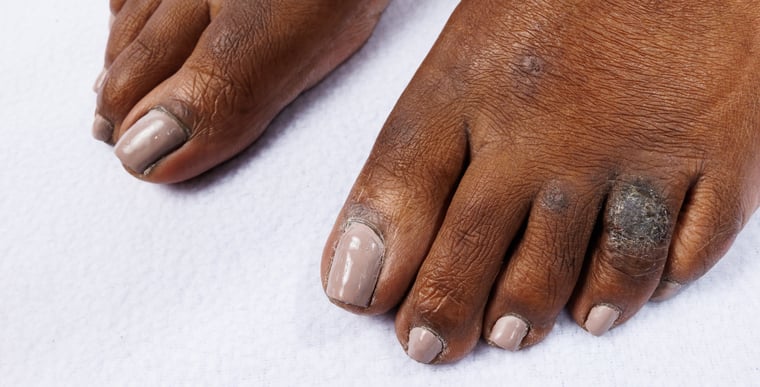
Dry patches of eczema on foot

Foot Eczema

When eczema affects your feet — from painful blisters on your soles to dry, cracked skin around your ankles — every step can be a reminder.

On this page

  • Overview
  • Symptoms
  • Foot Eczema Images
  • Causes and Triggers
  • Diagnosis
  • Treatment
  • Management
  • Prognosis
  • Frequently Asked Questions

Back to top

up arrow

Overview

Foot eczema causes inflammation, itching, rashes and discomfort on the soles, toes and ankles, making walking and daily activities challenging. The feet are particularly vulnerable to eczema because they’re exposed to moisture from sweat, friction from footwear and irritants from socks and shoes.

While there is no cure for eczema, understanding which type affects your feet enables more targeted treatment. Research shows that among people with hand eczema, approximately 28% also develop foot eczema, with atopic foot eczema being the most common form. Many people with foot eczema also experience other atopic conditions, such as asthma or hay fever.

The most common types of foot eczema include:

  • Dyshidrotic Eczema: Also called pompholyx or vesicular eczema, this type causes small, intensely itchy blisters on the soles and edges of the toes. The blisters often resemble tapioca pearls and can merge into larger blisters. Dyshidrotic eczema accounts for 5–20% of hand and foot eczema cases and is most common in adults aged 20–40, affecting women more frequently than men.
  • Atopic Dermatitis: The most prevalent type of foot eczema, accounting for approximately 60% of foot eczema cases. It typically affects the ankles, tops of the feet and sometimes the soles. People with filaggrin gene mutations may have compromised skin barrier function, making their feet more vulnerable to irritation and inflammation.
  • Contact Dermatitis: Results from allergic reactions or irritation from footwear materials, adhesives, rubber, leather tanning agents or preservatives in shoes. Allergic contact dermatitis typically appears on the tops of the feet, while irritant contact dermatitis can affect any area in contact with the irritating substance.
  • Nummular Eczema: Presents as coin-shaped patches on the feet, typically on the lower legs, ankles or tops of the feet. These circular lesions, which range from 1–10 cm, may be extremely itchy and often develop in people with very dry skin.
  • Neurodermatitis: Creates thick, leathery patches from chronic scratching, commonly affecting the ankles, sides of the feet or tops of the toes. It creates an itch-scratch cycle that worsens with stress and typically requires treatment to resolve.

Symptoms

Foot eczema symptoms vary depending on the type, location and severity. Recognizing symptoms early allows for prompt treatment and prevents complications like infection.

Common symptoms of foot eczema include:

  • Intense itching, burning or prickling sensations
  • Small, deep blisters filled with fluid (in dyshidrotic eczema)
  • Dry, chapped or flaking skin on soles or ankles
  • Red, pink, brown or purple patches, depending on skin tone
  • Cracked, painful fissures that may bleed
  • Scaly, rough or thickened skin
  • Oozing or crusting when blisters rupture
  • Swelling in affected areas
  • Circular coin-shaped patches (in nummular eczema)
  • Pain or discomfort when walking
  • Visible rashes that may spread across the foot

Dyshidrotic eczema often begins with intense itching before blisters appear. The blisters typically last 2–3 weeks before drying and peeling. Atopic dermatitis on the feet usually affects the ankles and tops of the feet, while contact dermatitis from shoe materials typically appears only on the tops of the feet.


Foot Eczema Images

View full foot eczema image gallery
Gallery image
Gallery image
Gallery image

Causes and Triggers

Foot eczema develops from interactions between genetics, immune function and environmental factors. The enclosed, moist environment inside shoes creates conditions that can trigger or worsen symptoms. Understanding your skin barrier and personal triggers helps prevent flare-ups.

Common foot eczema triggers include:

  • Moisture and sweat from enclosed footwear that traps perspiration, creating conditions that trigger flares, especially in people with dyshidrotic eczema or atopic dermatitis
  • Footwear materials, including rubber, leather tanning chemicals, adhesives, dyes and preservatives that can cause allergic contact dermatitis
  • Friction and pressure from tight shoes, synthetic socks and repetitive rubbing that damages the skin barrier
  • Environmental factors, including hot weather that increases sweating, dry winter air and seasonal changes (dyshidrotic eczema often worsens in spring and summer)
  • Occupational exposures like wearing safety shoes or boots, especially in wet work environments
  • Stress, which can trigger or worsen flares, particularly with dyshidrotic eczema and neurodermatitis
  • Nickel and cobalt in shoe hardware or from occupational exposure that can trigger dyshidrotic eczema in sensitive individuals
  • Fungal infections like athlete’s foot between the toes that can sometimes trigger or coexist with foot eczema
  • Tobacco smoking, which is significantly associated with foot eczema, particularly the vesicular type

In atopic dermatitis, immune system overactivity creates inflammation that weakens the skin’s protective barrier. Dyshidrotic eczema etiology remains unclear but is believed to involve multiple factors, including hyperhidrosis (excessive sweating), contact allergies and UV light exposure. People wearing safety shoes or boots at work have twice the risk of developing foot eczema compared to those who don’t.


Diagnosis

Dermatologists diagnose foot eczema through physical examination and medical history. The location, pattern and appearance of symptoms help differentiate foot eczema from conditions like athlete’s foot, psoriasis or fungal infections that can look similar.

Additional diagnostic tools may include:

  • Patch Testing: Identifies specific allergens in footwear, socks or occupational exposures causing allergic contact dermatitis
  • Skin Scraping or Culture: Helps distinguish eczema from fungal infections like athlete’s foot, which can coexist with or mimic foot eczema
  • Skin Biopsy: Used when diagnosis is uncertain or to rule out other conditions. Shows spongiotic changes characteristic of eczema

Early and accurate diagnosis is essential because foot eczema can significantly impact mobility, work activities and quality of life. Tracking symptoms, triggers and flare patterns provides valuable information for treatment planning.


Treatment

Treatment for foot eczema depends on the type, severity and underlying cause. The foundation is identifying and avoiding triggers while protecting and repairing the skin barrier.

Common foot eczema treatment options include:

  • Topical Corticosteroids: First-line treatment for reducing inflammation and itching. High-strength formulations may be needed for thick skin on the soles. These can be applied under occlusion (covered with cotton socks) at bedtime for enhanced effectiveness.
  • Topical Calcineurin Inhibitors: Non-steroidal alternatives like tacrolimus and pimecrolimus for sensitive areas or long-term maintenance when topical steroids aren’t appropriate.
  • Soaks and Compresses: For dyshidrotic eczema, applying cool compresses or potassium permanganate soaks 2–4 times daily for 15 minutes can help dry blisters and reduce inflammation.
  • Emollients and Barrier Repair: Thick, petroleum-based ointments applied generously — especially after bathing and before bed — restore the skin barrier. Cotton socks worn over moisturizer enhance absorption.
  • Antifungal Medications: If a fungal infection coexists with foot eczema, treating the fungal component may improve overall symptoms.
  • Hand/Foot Phototherapy: Targeted UV light treatment for chronic or widespread foot eczema that doesn’t respond to topical treatments.
  • Systemic Medications: For severe, persistent cases, oral or injectable immunosuppressants, biologics or JAK inhibitors help control immune system overactivity.
  • Botulinum Toxin Injections: Occasionally used for dyshidrotic eczema triggered by excessive sweating, though this is typically reserved for severe cases.

For severe dyshidrotic eczema with large blisters, bed rest may be necessary to allow healing. Working with a dermatologist to develop a comprehensive treatment plan significantly improves outcomes.


Management

Successful long-term management requires daily foot care, trigger avoidance and protective strategies tailored to your specific type of foot eczema.

Tips for managing foot eczema include:

  • Choose Appropriate Footwear: Wear shoes made from breathable materials that allow air circulation. Avoid tight-fitting shoes that create friction and trap moisture. Alternate shoes daily to ensure they dry completely. If work requires safety shoes or boots, use cotton sock liners to absorb moisture.
  • Select Proper Socks: Wear 100% cotton socks rather than wool or synthetic materials. Change socks whenever they become damp from sweat. Wash socks with fragrance-free, hypoallergenic detergent.
  • Air Out Your Feet: Go barefoot whenever possible at home. Remove shoes and socks throughout the day to allow feet to breathe and reduce moisture buildup.
  • Moisturize Aggressively: Apply thick, petroleum-based ointments or emollient-rich creams multiple times daily, especially after washing. Apply generously before bed and wear cotton socks overnight to enhance absorption. Learn about NEA Seal of Acceptance™ products.
  • Practice Gentle Foot Hygiene: Wash feet with lukewarm water and mild, fragrance-free cleansers. Pat (don’t rub) dry, paying special attention to areas between toes. Apply moisturizer immediately while skin is still slightly damp.
  • Identify and Avoid Allergens: If contact dermatitis is suspected, consider patch testing to identify shoe materials, adhesives or preservatives triggering reactions.
  • Manage Sweating: For dyshidrotic eczema triggered by excessive sweating, choose breathable footwear, use moisture-wicking socks and allow feet to air dry regularly.
  • Control Stress: Practice stress-reduction techniques like mindfulness or meditation. Stress management is particularly important for dyshidrotic eczema and neurodermatitis.
  • Avoid Scratching: For neurodermatitis, keep toenails trimmed short. Use cooling compresses when itching intensifies. Consider wearing cotton socks at night to prevent unconscious scratching.
  • Treat Fungal Infections Promptly: Athlete’s foot between the toes can trigger or worsen foot eczema. Address fungal infections immediately.
  • Monitor for Infection: Watch for signs of bacterial infection, including yellow-golden crusting, increased pain, warmth, red streaks or pus. Seek prompt medical attention if infection develops.

Consistent daily foot care reduces flare frequency and severity while extending periods of symptom-free skin.


Prognosis

While there is no cure for foot eczema, the outlook depends on the type and consistent management. Contact dermatitis from footwear typically clears within 2–3 weeks once problematic materials are identified and replaced, while dyshidrotic eczema may occur as a single episode or become chronic with recurring cycles. Large blisters on weight-bearing areas can temporarily interfere with walking, sometimes requiring work modifications or rest during active flares. With appropriate footwear choices, proper foot hygiene and consistent treatment, most people maintain comfortable mobility and participate fully in daily activities.


Frequently Asked Questions

Which products or ingredients should I look for?
Thick, petroleum-based ointments work best for foot eczema. Look for fragrance-free, hypoallergenic moisturizers with ceramides or colloidal oatmeal. Plain petroleum jelly or zinc oxide ointment provides excellent barrier protection. Browse NEA Seal of Acceptance™ products.

Which products should I avoid?
Avoid thin, water-based lotions that evaporate quickly. Steer clear of products with fragrances, alcohol or harsh chemicals. Be cautious with shoes containing rubber, adhesives or preservatives that may trigger allergic reactions.

When should I see a doctor?
See a dermatologist if foot eczema persists beyond 2–3 weeks, causes severe pain that interferes with walking, shows signs of infection, or significantly impacts daily activities or sleep quality.

How can I tell if it’s eczema or athlete’s foot?
Both can cause itching and scaling, but athlete’s foot typically occurs between the toes and has a distinct odor. A dermatologist can perform a skin scraping to distinguish between fungal infection and eczema definitively.

Can I exercise with foot eczema?
Yes, but choose activities that minimize sweating and friction. Swimming is often well-tolerated. Apply moisturizer and use clean, dry cotton socks after exercise. Remove damp footwear promptly.

Does diet affect foot eczema?
While dietary triggers vary by individual, some people with atopic dermatitis notice certain foods worsen their symptoms. Nickel-rich foods may trigger dyshidrotic eczema in nickel-sensitive individuals.

Why does foot eczema get worse in certain seasons?
Dyshidrotic eczema often worsens in spring and summer, possibly due to increased sweating and allergen exposure. Winter dry air can worsen other types of foot eczema.

Can wearing certain shoes cause foot eczema?
Yes — shoes made with rubber, leather tanning chemicals, adhesives or certain dyes can trigger allergic contact dermatitis. Safety shoes and boots that trap moisture increase risk of foot eczema.

References
  1. Azeem M, Kader H, Kerstan A, et al. Intricate Relationship Between Adaptive and Innate Immune System in Allergic Contact Dermatitis. Yale J Biol Med. 2020;93(5):699-709.
  2. Militello M, Hu S, Laughter M, Dunnick CA. American Contact Dermatitis Society Allergens of the Year 2000 to 2020. Dermatol Clin. 2020;38(3):309-320.
  3. Lofgren SM, Warshaw EM. Dyshidrosis: epidemiology, clinical characteristics, and therapy. Dermatitis. 2006;17(4):165-181. PubMed
  4. Wollina U. Pompholyx: a review of clinical features, differential diagnosis, and management. Am J Clin Dermatol. 2010;11(5):305-314. doi:10.2165/11533250-000000000-00000
  5. Agner T, Aalto-Korte K, Andersen KE, et al. Classification of hand eczema. J Eur Acad Dermatol Venereol. 2015;29(12):2417-2422. doi:10.1111/jdv.13308

Continue Your Eczema Learning Journey

Stethoscope icon
Find an Eczema Doctor

Find a U.S. healthcare provider near you with experience treating eczema and related conditions.

Lotion bottle with checkmark icon
Browse Eczema-Friendly Products

Explore our database of products that have undergone our Seal of Acceptance review.

Paper newsletter icon
Read Stories from Real People

Visit our blog to read stories from your community members and get helpful tips for eczema management.

Lab Beaker Icon
Learn About Eczema Research

Get the latest on eczema research and find out how you can get involved with studies.

Toggle drawer

Get the latest in eczema news, delivered.

Sign up for NEA's e-newsletter to receive evidence-based articles, expert-sourced lifestyle tips and stories from your community.

Nea footer logo
  • About NEA
  • Press Room
  • Contact Us
  • Careers
  • Seal of Acceptance Application
  • Partnership Opportunities
  • Privacy Policy
  • Terms and Conditions
facebookXyoutubesocial iconthreadslinked-in

The National Eczema Association (NEA) improves the health and quality of life for people affected by eczema, and empowers those who advocate, support and deliver care.

Our Accreditations

National Health Council standards of excellence certification programGuide Star Seal of TransparencyBetter Business Bureau accredited charityGlobal Skin internation alliance of dermatology patient organizationsaccreditation logo

NEA is a qualified 501(c)(3) EIN 93-0988840.

© National Eczema Association, All rights reserved 2026