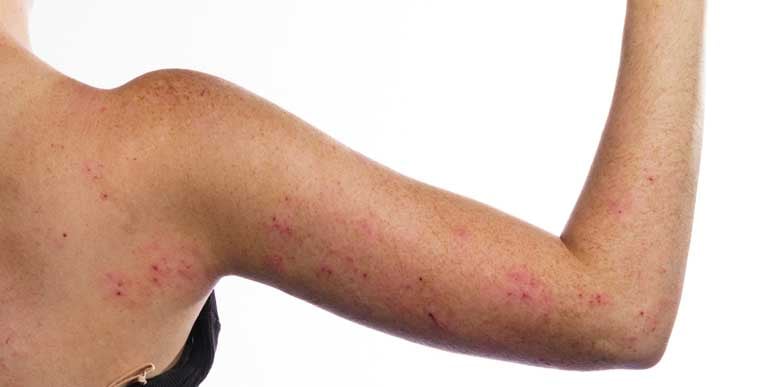

Arm eczema affects the skin on the arms, inner elbows and wrists, causing itching, irritation and visible rashes that can interfere with daily comfort and activities. The arms are among the most commonly affected areas across all age groups, with specific types of eczema showing preference for different arm locations depending on age and individual factors.
While there is no cure for eczema, understanding which type affects your arms is essential for effective treatment and symptom management. Many people with arm eczema also experience other atopic conditions such as asthma or hay fever, reflecting shared immune system sensitivities.
The most common types of arm eczema include:
- Atopic Dermatitis: The most prevalent form affecting the arms. In infants, it appears on outer arm surfaces, while in older children and adults, patches concentrate in the inner elbows and wrists. People with filaggrin gene mutations may have compromised skin barrier function.
- Contact Dermatitis: Occurs when skin on the arm encounters irritating substances or allergens. Irritant contact dermatitis develops from repeated exposure to soaps, detergents or workplace chemicals. Allergic contact dermatitis appears 24–48 hours after exposure to allergens like nickel, fragrances or preservatives.
- Nummular Eczema: Presents as distinctive coin-shaped lesions on the forearms and upper arms, ranging from 1–10 cm in size. It affects approximately 2 in 1,000 people and commonly develops after skin injury, during dry winter months or in people with very dry skin.
- Neurodermatitis: Characterized by one or two thick, leathery patches from chronic scratching. On the arms, it most commonly affects the elbows and extensor forearms. It creates an itch-scratch cycle where scratching increases itching.


