Find Eczema-Friendly ProductsFind a Doctor
Logo
search
menu
About Eczema
Research
News & Stories
Get Involved
About Us
Donate
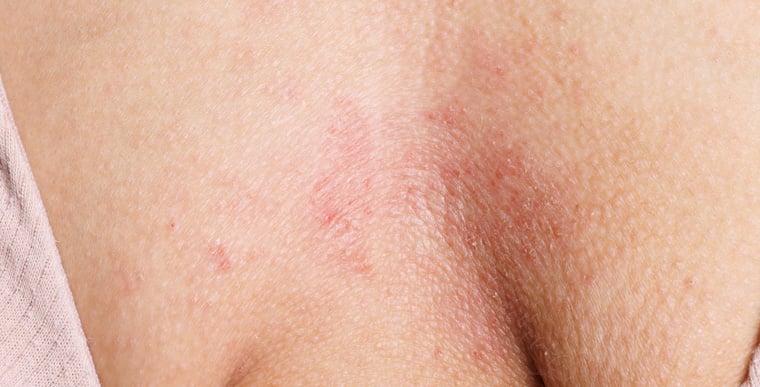
Red inflamed patches of breast eczema

Breast Eczema

Breast eczema causes dry, itchy, discolored skin on your breasts, nipples or the area around them. It can affect people of all genders and ages.

On this page

  • Overview
  • Symptoms
  • Breast Eczema Images
  • Causes and Triggers
  • Diagnosis
  • Treatment
  • Management
  • Prognosis
  • Frequently Asked Questions

Back to top

up arrow

Overview

The skin on your breasts faces unique challenges. It faces daily friction from bras and clothing, plus moisture and sweat that can build up in folds. It’s also often exposed to skincare products, detergents and fabrics that can trigger irritation. All of this makes your breast area particularly vulnerable to eczema flares.

The term “breast eczema” describes eczema anywhere on the breast, while “nipple eczema” refers specifically to eczema on the nipple and areola. Both are treated similarly, though nipple eczema requires extra care due to the sensitivity of this area and potential breastfeeding concerns.

While there is no cure for eczema, understanding which type you have and what triggers your flares makes treatment much more effective. The most common types of breast eczema include:

  • Atopic Dermatitis: This is the most common type, often caused by genetic, immune and environmental factors that weaken your skin barrier. People with atopic dermatitis often have a personal or family history of allergies, asthma or hay fever.
  • Contact Dermatitis: This happens when substances that come into contact with your breast skin cause irritation — either through allergic reactions (like fragrances, nickel in bra clasps or preservatives) or direct damage from harsh irritants (like soaps, detergents and laundry chemicals). The rash appears where the substance contacted your skin.

Symptoms

Breast eczema symptoms can appear on your nipples, areolas, between your breasts, under your breasts or on the sides of your breasts. Paying attention to these signs helps you identify the condition early and start treatment.

Common symptoms of breast eczema include:

  • Intense itching that may interfere with sleep or daily activities
  • Dry, flaking or scaly skin
  • Red or inflamed patches (appearing pink to red in lighter skin tones, brown to purple in darker skin tones)
  • Burning or stinging sensations
  • Thickened, leathery skin from chronic scratching
  • Oozing, crusting or weeping lesions during active flares
  • Cracked, painful fissures that may bleed
  • Swelling or tenderness in affected areas
  • Discoloration or darkening of the skin 

For those who are breastfeeding, nipple eczema can make nursing painful. If symptoms don’t improve with treatment or you notice concerning changes like nipple discharge, a breast lump or symptoms affecting only one breast, see your healthcare provider to rule out other conditions.


Breast Eczema Images

View full breast eczema image gallery
Gallery image
Gallery image
Gallery image

Causes and Triggers

Breast eczema happens due to a combination of genetic factors, immune system responses, allergies and what your skin comes into contact with.

Common breast eczema triggers include:

  • Personal care products with fragrance, including lotions, perfumes, shaving creams, deodorants and sunscreens
  • Laundry products, including detergents, fabric softeners and stain removers that remain in fabric
  • Clothing materials like synthetic bra fabrics, lace with rough textures, tight-fitting tops or wool
  • Allergens such as nickel (in bra clasps and underwires), latex (in bra elastic), dyes or preservatives that cause allergic reactions
  • Hot showers, dry indoor air, chlorine from swimming or excessive heat
  • Sweat trapped under breasts or between skin folds, particularly in warm weather or during exercise
  • Hormonal changes during pregnancy, menstruation or menopause
  • Stress and anxiety
  • Breastfeeding, which can cause irritation or cracking around nipples
  • Food allergies in some cases — common allergens include dairy, eggs, nuts, wheat and soy

Diagnosis

Because skin changes on the breast can have several causes — from eczema to infections or even rare cancers — getting an accurate diagnosis is important. A dermatologist can help confirm whether your symptoms are due to breast eczema, nipple eczema or another condition by examining your skin and asking about your history, allergies and possible triggers.

Additional diagnostic tools may include:

  • Patch Testing: Identifies specific allergens causing allergic contact dermatitis, including fragrances, preservatives, metals, fabric dyes or other substances
  • Allergy Testing: Blood tests or skin tests may help identify food allergies or environmental allergens
  • Skin Biopsy: Used when diagnosis is uncertain or to rule out other conditions like psoriasis, fungal infections or Paget’s disease of the breast 

Tracking your symptoms, triggers and flare patterns can make it easier to share helpful details with your healthcare provider and monitor your progress over time.


Treatment

Since this area is sensitive, gentle but effective treatments work best.

Common breast eczema treatment options include:

  • Topical Corticosteroids: First-line treatment for reducing inflammation and itching. Mild to medium-potency steroids are typically used, with the lowest potency reserved for nipple eczema. Usually applied once or twice daily during flares. For those breastfeeding, apply after nursing and wipe clean before the next feeding.
  • Non-Steroidal Topicals Topical Calcineurin Inhibitors: Non-steroid creams help control inflammation over the long term, especially useful for the nipple and areola area.
  • Emollients and Barrier Repair: Thick creams or ointments (particularly those containing ceramides or petroleum jelly) applied liberally at least twice daily and immediately after bathing.
  • Antihistamines: Oral options can reduce nighttime itching, particularly helpful if allergies contribute to your flares.
  • Antimicrobial Treatments: If skin becomes cracked or shows signs of infection (yellow crusting, increased pain, warmth or pus), your doctor may prescribe antibiotic creams or gentle cleansers.
  • Systemic Medications: For moderate to severe cases, your healthcare provider may prescribe short-term oral corticosteroids, immunosuppressants, or newer biologic treatments like dupilumab.

If you are breastfeeding, always tell your provider before starting any medication. Some topical products may not be safe for infants if applied directly to the nipple area before feeding.


Management

Daily care plays a significant role in keeping breast eczema under control. What touches your skin matters — from the bras you wear to the products you use.

Tips for managing breast eczema include:

  • Choose Appropriate Clothing and Bras: Wear soft, breathable cotton bras without underwires when possible. If you have nickel allergies, look for plastic-coated clasps. Avoid scratchy lace, synthetics or tight-fitting tops. Wash new items before wearing.
  • Use Gentle Products: Switch to fragrance-free, dye-free laundry detergents and skip fabric softeners.
  • Moisturize Daily: Apply thick ointments or creams immediately after bathing while skin is still damp. During flares, increase to three or four times daily. For nipple eczema, use gentle ointments safe for this sensitive area. Browse NEA Seal of Acceptance products.
  • Practice Gentle Bathing: Use mild cleansers and avoid hot showers. Pat (don’t rub) dry and apply moisturizer immediately.
  • Manage Moisture and Friction: Keep the area under the breasts clean and dry. After exercise or sweating, shower promptly and change into dry clothing. Consider soft cotton liners if moisture builds up.
  • Control the Itch-Scratch Cycle: Keep nails short. Apply cold compresses to itchy areas. Wear soft cotton to bed. For nipple eczema, avoid scratching as this can lead to cracking.
  • Identify and Avoid Allergens: Patch testing can identify triggering substances. Once identified, avoid these allergens completely.
  • Practice Stress Management: Mindfulness, meditation or therapy may help reduce flare frequency.
  • Monitor for Infection: Watch for signs like yellow crusting, increased pain, warmth or red streaks. Seek prompt medical attention if infection develops.

Prognosis

With the right treatment, breast eczema and nipple eczema usually improve within one to three weeks. While eczema is a chronic condition that can come and go, most people find that identifying triggers and following a consistent care routine keeps symptoms under control. Contact dermatitis often clears once you avoid the triggering allergen or irritant. Atopic dermatitis often requires ongoing management but may improve with age. Staying consistent with moisturizing, avoiding irritants and allergens and managing stress can lead to fewer flares and longer periods of healthy, comfortable skin.


Frequently Asked Questions

Which products or ingredients should I look for?
Thick ointments with ceramides or petroleum jelly work best. Choose hypoallergenic moisturizers with colloidal oatmeal for itch relief. For bras, look for 100% cotton without underwires. Browse NEA Seal of Acceptance products.

Which products should I avoid?
Avoid fragranced lotions, deodorants and perfumes. Skip laundry detergents with dyes and fabric softeners. Be cautious with lace bras, synthetic fabrics and common allergens like nickel, latex or preservatives.

When should I see a doctor?
See a dermatologist or other healthcare provider if symptoms last longer than 2–3 weeks, cause severe pain or sleep disruption, show signs of infection, don’t respond to treatment, affect only one breast or include nipple discharge or a lump.

Can I breastfeed with nipple eczema?
Yes. Apply treatments after nursing and wipe clean before the next feeding. Use low-potency steroids as directed, keep nipples moisturized and air-dry after feeding. Consult your healthcare provider about safe options.

Is breast eczema the same as breast cancer?
No. Breast eczema is an inflammatory skin condition and does not cause cancer.

What’s the difference between breast eczema and nipple eczema?
Breast eczema describes eczema anywhere on the breast, while nipple eczema specifically affects the nipple and areola. Both are treated similarly, though nipple eczema requires gentler products.

Can allergies cause breast eczema?
Yes. Allergic contact dermatitis occurs when your immune system reacts to allergens like nickel, fragrances or preservatives. Food allergies may also trigger symptoms. Allergy testing can identify your triggers.

Can bras make breast eczema worse?
Yes. Tight bras, underwires, synthetic fabrics and rough lace irritate skin. Nickel can trigger allergic reactions. Trapped moisture also causes flares. Choose soft cotton bras and keep the area dry.

Why does my breast eczema get worse in hot weather?
Heat causes sweating, and trapped moisture creates irritation. Sweat contains salt and proteins that can irritate sensitive skin.

References
  1. Militello M, Hu S, Laughter M, Dunnick CA. American Contact Dermatitis Society Allergens of the Year 2000 to 2020. Dermatol Clin. 2020;38(3):309-320.
  2. Azeem M, Kader H, Kerstan A, et al. Intricate Relationship Between Adaptive and Innate Immune System in Allergic Contact Dermatitis. Yale J Biol Med. 2020;93(5):699-709.
  3. National Organization for Rare Disorders. Paget Disease of the Breast. Accessed October 24, 2025. https://rarediseases.org/rare-diseases/paget-disease-of-the-breast/ 

Continue Your Eczema Learning Journey

Stethoscope icon
Find an Eczema Doctor

Find a U.S. healthcare provider near you with experience treating eczema and related conditions.

Lotion bottle with checkmark icon
Browse Eczema-Friendly Products

Explore our database of products that have undergone our Seal of Acceptance review.

Paper newsletter icon
Read Stories from Real People

Visit our blog to read stories from your community members and get helpful tips for eczema management.

Lab Beaker Icon
Learn About Eczema Research

Get the latest on eczema research and find out how you can get involved with studies.

Toggle drawer

Get the latest in eczema news, delivered.

Sign up for NEA's e-newsletter to receive evidence-based articles, expert-sourced lifestyle tips and stories from your community.

Nea footer logo
  • About NEA
  • Press Room
  • Contact Us
  • Careers
  • Seal of Acceptance Application
  • Partnership Opportunities
  • Privacy Policy
  • Terms and Conditions
facebookXyoutubesocial iconthreadslinked-in

The National Eczema Association (NEA) improves the health and quality of life for people affected by eczema, and empowers those who advocate, support and deliver care.

Our Accreditations

National Health Council standards of excellence certification programGuide Star Seal of TransparencyBetter Business Bureau accredited charityGlobal Skin internation alliance of dermatology patient organizationsaccreditation logo

NEA is a qualified 501(c)(3) EIN 93-0988840.

© National Eczema Association, All rights reserved 2026