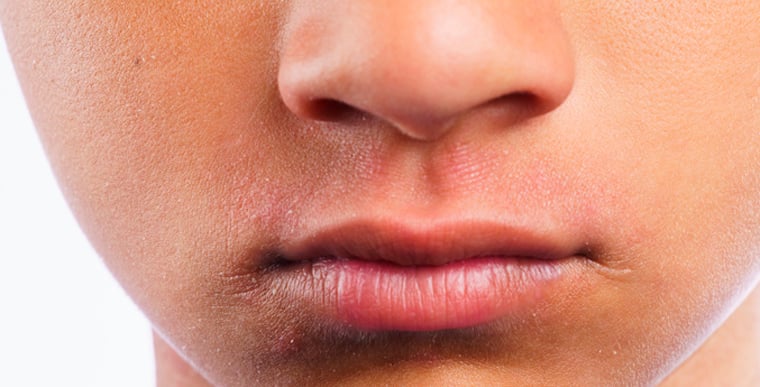

Facial eczema is a common form of eczema that affects the face, causing dry, itchy patches, redness, flaking or crusting. It often appears around sensitive areas such as the cheeks, forehead, eyes, nose, mouth and under facial hair. Environmental factors such as dry air, temperature changes and friction from masks or clothing can make symptoms worse.
The most common types of facial eczema include:
- Atopic Dermatitis: This chronic, immune-related condition weakens the skin barrier, causing dry, itchy, inflamed patches. It is often linked to other atopic conditions such as asthma or hay fever.
- Seborrheic Dermatitis: This type affects oil-rich areas of the face such as eyebrows, sideburns and the beard, causing redness, flaking or greasy scales. It is often associated with overgrowth of yeast on the skin.
- Contact Dermatitis: This type occurs when the skin reacts to irritants or allergens in skincare products, cosmetics or metals, resulting in redness, itching and inflammation. Avoiding the triggering substance is key to managing flare-ups.


