Find Eczema-Friendly ProductsFind a Doctor
Logo
search
menu
About Eczema
Research
News & Stories
Get Involved
About Us
Donate
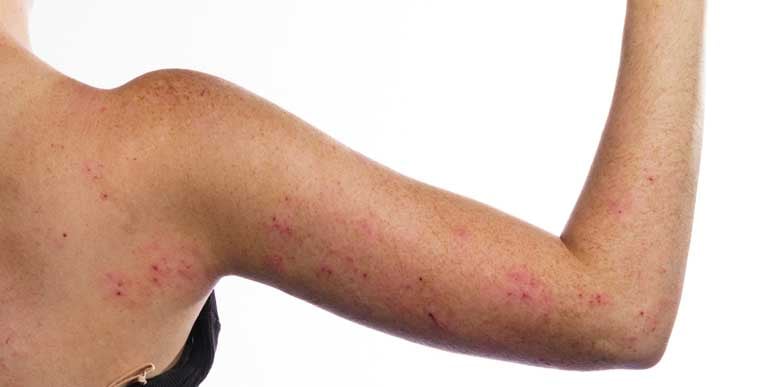
Red inflmaed patches of arm eczema on back of arm

Arm Eczema

From the inner elbows to the forearms and wrists, arm eczema can appear in different patterns depending on age and the specific type.

On this page

  • Overview
  • Symptoms
  • Arm Eczema Images
  • Causes and Triggers
  • Diagnosis
  • Treatment
  • Management
  • Prognosis
  • Frequently Asked Questions

Back to top

up arrow

Overview

Arm eczema affects the skin on the arms, inner elbows and wrists, causing itching, irritation and visible rashes that can interfere with daily comfort and activities. The arms are among the most commonly affected areas across all age groups, with specific types of eczema showing preference for different arm locations depending on age and individual factors.

While there is no cure for eczema, understanding which type affects your arms is essential for effective treatment and symptom management. Many people with arm eczema also experience other atopic conditions such as asthma or hay fever, reflecting shared immune system sensitivities.

The most common types of arm eczema include:

  • Atopic Dermatitis: The most prevalent form affecting the arms. In infants, it appears on outer arm surfaces, while in older children and adults, patches concentrate in the inner elbows and wrists. People with filaggrin gene mutations may have compromised skin barrier function.
  • Contact Dermatitis: Occurs when skin on the arm encounters irritating substances or allergens. Irritant contact dermatitis develops from repeated exposure to soaps, detergents or workplace chemicals. Allergic contact dermatitis appears 24–48 hours after exposure to allergens like nickel, fragrances or preservatives.
  • Nummular Eczema: Presents as distinctive coin-shaped lesions on the forearms and upper arms, ranging from 1–10 cm in size. It affects approximately 2 in 1,000 people and commonly develops after skin injury, during dry winter months or in people with very dry skin.
  • Neurodermatitis: Characterized by one or two thick, leathery patches from chronic scratching. On the arms, it most commonly affects the elbows and extensor forearms. It creates an itch-scratch cycle where scratching increases itching.

Symptoms

Arm eczema symptoms vary by type, severity and skin tone. Recognizing symptoms early enables prompt treatment and better outcomes.

Common symptoms of arm eczema include:

  • Dry, chapped or flaking skin
  • Red, pink, brown or purple patches, depending on skin tone
  • Scaly, rough or inflamed areas
  • Itching that may worsen when relaxing or at bedtime
  • Burning or stinging sensations
  • Coin-shaped lesions (in nummular eczema)
  • Thick, leathery patches with prominent skin lines (in neurodermatitis)
  • Small bumps or blisters that may ooze clear fluid
  • Crusty or weeping patches
  • Swelling in affected areas 

The location of symptoms on the arms often indicates the type of eczema. Atopic dermatitis in adults typically concentrates in the inner elbow creases, while nummular eczema appears on the forearms as distinct circular patches. Neurodermatitis most commonly affects the outer elbows and extensor forearms.


Arm Eczema Images

View full arm eczema image gallery
Gallery image
Gallery image
Gallery image

Causes and Triggers

Arm eczema develops through complex interactions between genetics, immune system function and environmental exposures. Understanding what compromises your skin barrier helps identify and avoid triggers.

Common arm eczema triggers include:

  • Irritants and allergens like soaps, detergents, solvents, workplace chemicals, nickel jewelry, watchbands, fragrances and preservatives in skincare products
  • Dry skin conditions often caused by humidity, winter weather, frequent handwashing or bathing, or aging (which reduces natural skin oil production)
  • Physical traumas like insect bites, scrapes, chemical burns or any injury that damages the skin barrier
  • Wool, synthetic fibers like polyester or tight-fitting garments that trap heat and moisture
  • Environmental factors, including cold weather, low humidity and rapid temperature changes
  • Stress, which increases cortisol levels, can trigger inflammatory responses
  • Contact allergens such as certain metals or chemicals that trigger delayed allergic reactions
  • Bacterial colonization, particularly Staphylococcus aureus, which thrives on eczema-affected skin and can worsen inflammation and itching

In atopic dermatitis, immune system overactivity creates inflammation that weakens the skin’s protective barrier. People with filaggrin gene mutations have inherently compromised barriers, making their arms more susceptible to eczema. The compromised barrier also allows bacteria to impact the skin more easily, which can intensify flares and make symptoms harder to control.

In nummular eczema, very dry skin — especially on the legs and arms where blood circulation may be reduced — creates vulnerability to coin-shaped lesions. Neurodermatitis often begins during periods of extreme stress, anxiety or emotional trauma, though the exact mechanism remains unclear.


Diagnosis

Dermatologists diagnose arm eczema by examining the skin and discussing symptom history. The pattern, location and appearance of the rash — along with when and where symptoms occur — help identify the specific type and guide treatment decisions.

Additional diagnostic tools may include:

  • Patch Testing: Identifies specific allergens causing allergic contact dermatitis by applying small amounts of common allergens to the skin for 48 hours and observing reactions
  • Skin Biopsy: Used when diagnosis is uncertain or to rule out other conditions like psoriasis, cutaneous lymphoma or other dermatoses
  • Skin Scraping or Culture: Helps distinguish eczema from fungal infections (like ringworm) or to identify bacterial infections requiring antibiotic treatment

Early and accurate diagnosis prevents worsening symptoms and enables targeted treatment. Tracking your symptoms, triggers and flare patterns provides valuable information for more productive conversations with your dermatologist and helps identify the most effective treatments for your specific situation.


Treatment

Treatment for arm eczema depends on the specific type, underlying cause and symptom severity. The foundation of all treatment is identifying and avoiding triggers while maintaining the skin barrier.

Common arm eczema treatment options include:

  • Topical Corticosteroids: First-line treatment for reducing inflammation and itching. Low-strength steroids work well for the face and sensitive areas, while medium-to-high-strength formulations may be needed on the arms and body. For severe neurodermatitis, potent corticosteroids — sometimes under occlusion — help soften thickened skin and break the itch-scratch cycle.
  • Non-Steroids: Non-steroidal alternatives for long-term maintenance or sensitive skin areas can be used when topical steroids are not appropriate.
  • Emollients and Barrier Repair: Daily application of fragrance-free moisturizers containing ceramides, colloidal oatmeal or petroleum-based ointments restores and protects the skin barrier. For nummular eczema and neurodermatitis, frequent moisturization is especially critical.
  • Antihistamines: Oral antihistamines taken before bedtime can reduce nighttime itching and improve sleep quality.
  • Oral or Topical Antibiotics: Prescribed if secondary bacterial infection develops, indicated by yellow crusting, increased warmth, pus or worsening symptoms. Both topical and oral antibiotics may be used.
  • Phototherapy: Ultraviolet light treatment administered 2–3 times weekly can reduce inflammation and itching in widespread or stubborn cases of arm eczema.
  • Systemic Medications: For moderate-to-severe or treatment-resistant cases, oral or injectable immunosuppressants help control immune system overactivity. Newer biologic medications and JAK inhibitors offer additional options for persistent symptoms.
  • Physical Barriers: For neurodermatitis, bandaging or covering affected areas prevents unconscious scratching, especially during sleep, allowing skin to heal.

Working with a dermatologist to develop a personalized treatment plan — and maintaining consistent skincare between flares — significantly reduces symptoms and prevents recurrence.


Management

Successful long-term management requires consistent daily care, trigger avoidance and protective strategies tailored to your specific type of arm eczema.

Tips for managing arm eczema include:

  • Identify and Avoid Personal Triggers: Keep a symptom diary to track when and where flares occur. If contact dermatitis is suspected, consider patch testing to identify specific allergens like metals, fragrances or preservatives.
  • Moisturize Aggressively: Apply petroleum-based ointments or emollient-rich creams multiple times daily, especially immediately after washing or bathing while skin is still slightly damp. For very dry arms, consider applying moisturizer with each activity that involves water exposure. Regular moisturization strengthens the skin barrier and helps reduce bacterial colonization. Learn about NEA Seal of Acceptance™ products.
  • Choose Clothing Carefully: Wear 100% cotton garments rather than wool or synthetic materials. Avoid tight-fitting sleeves that trap heat and moisture. Keep clothing loose to minimize friction on affected areas.
  • Bathe Strategically: Take short, lukewarm showers or baths using gentle, fragrance-free cleansers. Hot water and long bathing can strip natural oils from skin. Pat (don’t rub) skin dry and apply moisturizer within three minutes.
  • Protect from Environmental Stressors: Use a humidifier during dry winter months. Apply physical (mineral-based) sunscreens to protect sensitive arm skin from sun exposure.
  • Break the Itch-Scratch Cycle: For neurodermatitis, keep fingernails trimmed short. Consider wearing cotton sleeves or gloves at night to prevent unconscious scratching. Use cooling compresses rather than scratching when itching intensifies.
  • Manage Stress: Practice stress-reduction techniques like mindfulness, meditation or gentle exercise. Stress management is crucial for neurodermatitis, where emotional factors strongly influence symptoms.
  • Remove Jewelry and Accessories: If nickel allergy contributes to arm eczema, avoid costume jewelry, watchbands and clothing with metal buttons or fasteners that contact your skin.
  • Monitor for Infection: Watch for signs of bacterial infection, including yellow-golden crusting, increased pain, warmth, red streaks or pus. Seek prompt medical attention if infection develops.

Consistent application of these management strategies reduces flare frequency and severity while extending periods of clear skin.


Prognosis

While there is no cure for eczema, most people achieve good symptom control with appropriate treatment and management. The prognosis varies by type: Contact dermatitis typically heals within 2–3 weeks once the trigger is removed, while atopic dermatitis follows a chronic pattern with about 60% of children developing symptoms before age 1 and approximately half continuing into adulthood. Nummular eczema responds well to treatment, though tends to recur in the same locations, and neurodermatitis can be particularly persistent.

Flare-ups typically last from a few days to several weeks with proper treatment, with research indicating people with moderate-to-severe atopic dermatitis experience an average of nine flares per year lasting approximately 15 days each. Early intervention, consistent skin barrier protection and avoiding known triggers substantially improve long-term outcomes and quality of life.


Frequently Asked Questions

Which products or ingredients should I look for?
Fragrance-free, hypoallergenic moisturizers with ceramides, colloidal oatmeal or petroleum jelly work best for arm eczema. Physical (mineral-based) sunscreens protect sensitive skin without irritation. Browse NEA Seal of Acceptance™ products.

Which products should I avoid?
Avoid products containing fragrances, alcohol, essential oils or harsh chemicals. Be cautious with nickel jewelry, watchbands and skincare products with common allergens like preservatives or synthetic dyes.

When should I see a doctor?
See a dermatologist if arm eczema persists beyond 2–3 weeks, worsens despite home treatment, shows signs of infection (yellow crusting, pus, increasing pain), or significantly interferes with sleep or daily activities.

Will arm eczema go away?
Some types resolve completely when triggers are removed (like contact dermatitis), while others follow a chronic pattern with periods of flares and remission (like atopic dermatitis and neurodermatitis).

Do diet or clothing choices matter?
Cotton clothing is generally better tolerated than wool or synthetic materials. While dietary triggers vary by individual, some people with atopic dermatitis notice certain foods worsen their symptoms.

Can stress or fragrances trigger flares?
Yes — stress significantly impacts eczema, particularly neurodermatitis. Stress increases cortisol levels and can trigger inflammatory responses. Stress management techniques may reduce flare frequency.

Why does arm eczema itch more at night?
Itching often intensifies during rest and sleep because there are fewer distractions and body temperature naturally rises slightly at night. Neurodermatitis is particularly prone to nocturnal itching.

References
  1. Azeem M, Kader H, Kerstan A, et al. Intricate Relationship Between Adaptive and Innate Immune System in Allergic Contact Dermatitis. Yale J Biol Med. 2020;93(5):699-709.
  2. Militello M, Hu S, Laughter M, Dunnick CA. American Contact Dermatitis Society Allergens of the Year 2000 to 2020. Dermatol Clin. 2020;38(3):309-320.
  3. Charifa A, Badri T, Harris BW. Lichen Simplex Chronicus. In: StatPearls. Treasure Island (FL): StatPearls Publishing; 2023. PubMed
  4. Ju T, Vander Does A, Mohsin N, Yosipovitch G. Lichen Simplex Chronicus Itch: An Update. Acta Derm Venereol. 2022;102:adv00796. doi:10.2340/actadv.v102.4367
  5. Leung AKC, Lam JM, et al. Nummular eczema: An updated review. Recent Pat Inflamm Allergy Drug Discov. 2020 Aug 10. PubMed
  6. Miller JL. Nummular dermatitis (nummular eczema). Medscape. Updated November 2020.
  7. Tian J, Li X, Shen J, et al. Global epidemiology of atopic dermatitis: a comprehensive systematic analysis and modelling study. Br J Dermatol. 2023;190(1):55-61. doi:10.1093/bjd/ljad339
  8. Eichenfield LF, Tom WL, Chamlin SL, et al. Guidelines of care for the management of atopic dermatitis: section 1. Diagnosis and assessment of atopic dermatitis. J Am Acad Dermatol. 2014;70(2):338-351. doi:10.1016/j.jaad.2013.10.010
  9. Choragudi S, Yosipovitch G. Trends in the Prevalence of Eczema Among US Children by Age, Sex, Race, and Ethnicity From 1997 to 2018. JAMA Dermatol. 2023;159(4):454-456.

Continue Your Eczema Learning Journey

Stethoscope icon
Find an Eczema Doctor

Find a U.S. healthcare provider near you with experience treating eczema and related conditions.

Lotion bottle with checkmark icon
Browse Eczema-Friendly Products

Explore our database of products that have undergone our Seal of Acceptance review.

Paper newsletter icon
Read Stories from Real People

Visit our blog to read stories from your community members and get helpful tips for eczema management.

Lab Beaker Icon
Learn About Eczema Research

Get the latest on eczema research and find out how you can get involved with studies.

Toggle drawer

Get the latest in eczema news, delivered.

Sign up for NEA's e-newsletter to receive evidence-based articles, expert-sourced lifestyle tips and stories from your community.

Nea footer logo
  • About NEA
  • Press Room
  • Contact Us
  • Careers
  • Seal of Acceptance Application
  • Partnership Opportunities
  • Privacy Policy
  • Terms and Conditions
facebookXyoutubesocial iconthreadslinked-in

The National Eczema Association (NEA) improves the health and quality of life for people affected by eczema, and empowers those who advocate, support and deliver care.

Our Accreditations

National Health Council standards of excellence certification programGuide Star Seal of TransparencyBetter Business Bureau accredited charityGlobal Skin internation alliance of dermatology patient organizationsaccreditation logo

NEA is a qualified 501(c)(3) EIN 93-0988840.

© National Eczema Association, All rights reserved 2026